Industry News
Timon Virtual Card Review: Ace vs Rove vs Voyager Comparison
Timon is a travel fintech platform with three card tiers. This review covers Timon Ace virtual card fees, limits, use cases, and pros/cons.
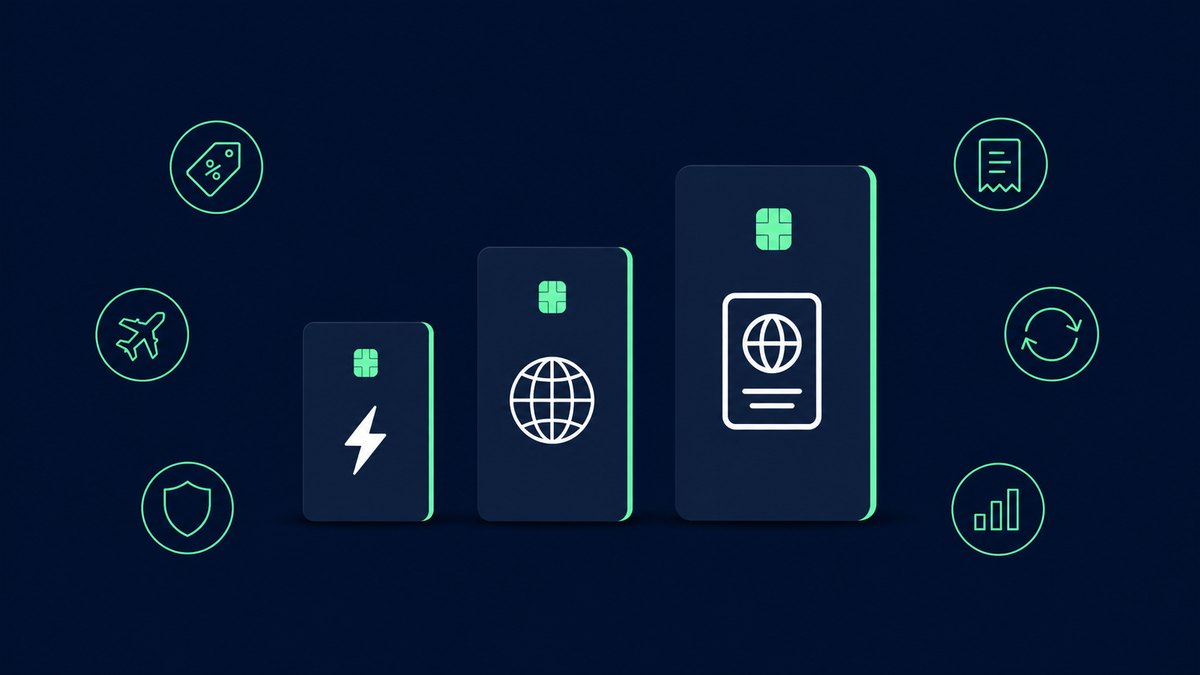
Freshness update: September 2026
An earlier version described Timon as a Canada-registered MSB and treated pricing, eligibility, limits and physical-card delivery for Ace, Rove and Voyager as fixed. That wording is no longer current. The site footer now names Timon Travel Technology Limited in Dover, Delaware, USA, and says it is not a bank and that services are provided through licensed partners.
Currently verifiable cards and fees
The official help centre currently lists Ace, Solo, Rove, Voyager, Verve and Timon Black Card. Public issuance pricing for Ace, Solo, Rove and Voyager virtual USD cards is 5 USD; an Ace physical USD card is 8 USD. International POS/online spending is 2% plus 0.50 USD, ATM usage is 2%, and stablecoin funding of the USD wallet is 0.8% (minimum 2 USD, maximum 10 USD). Card availability, geography, billing address, limits and Apple Pay/Google Pay eligibility must be checked in the app and checkout at the time of application.
Use boundaries
Wallet support varies by region, issuing partner and card type. Do not apply to evade a merchant’s regional or identity rules. Check residence eligibility, KYC, refunds and merchant acceptance before applying; begin with a small test transaction.
Verdict
Timon remains online. Unverified historic assertions about a Canadian MSB, fixed 15/30 USD issuance fees, fixed limits, a mandatory +234 number, two-minute review and global physical-card delivery have been removed or downgraded.